Digital Planning vs. Paper: Which One Wins in 2026?
You’ve probably wrestled with this question: Should I stick to trusty paper planners or switch to digital planning? Both promise better productivity and focus, but which truly delivers in 2026? If you’re tired of juggling scattered notes or losing track of your goals, this article is your roadmap. We’ll break down the key benefits of digital planning, compare it to paper in the latest 2025 Edition insights, and help you decide which method fits your lifestyle best. By the end, you’ll be ready to optimize your time management and crush your daily tasks like a pro.
Key Benefits of Digital Planning for Focus and Productivity
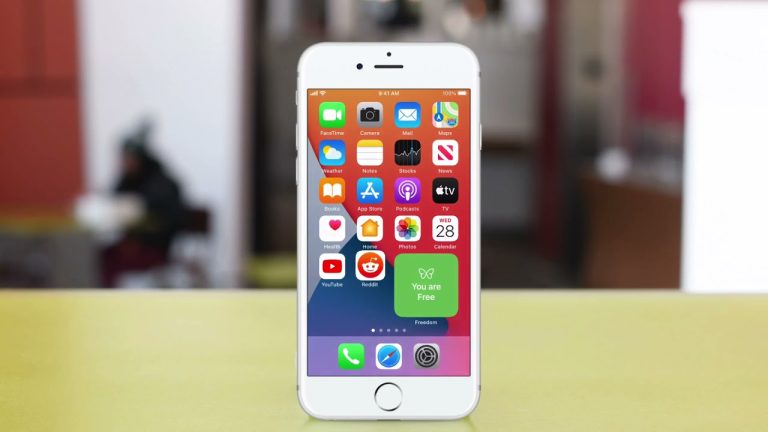
Digital planning has evolved dramatically, especially with AI-powered tools enhancing your workflow. One of the biggest perks is seamless digital organization. Apps like Notion (Notion), Todoist (Todoist), and Microsoft To Do (Microsoft To Do*) let you sync tasks across all devices, so your plans are always at your fingertips. No more scrambling for your paper planner or losing sticky notes.
Another advantage is customization and flexibility. Digital planners adapt to your style—whether you prefer bullet journaling, calendar views, or task lists. You can easily rearrange priorities, set reminders, or integrate with calendars and emails. This flexibility keeps your focus sharp and your productivity high.
Plus, digital planning often includes analytics and AI-driven insights. Tools like Clockify (Clockify*) track your time and suggest improvements. AI-powered assistants can even help you automate repetitive tasks or highlight your most productive hours. This means better time management and smarter work-life balance.
💡 Quick insight: Digital planners aren’t just about convenience; they actively boost your focus with smart reminders and data.
🚀 Pro tip: Try combining a digital planner with a Pomodoro timer app like Focus Booster (Focus Booster*) to maximize your concentration.
Paper vs. Digital Planning: Updated 2025 Edition Insights
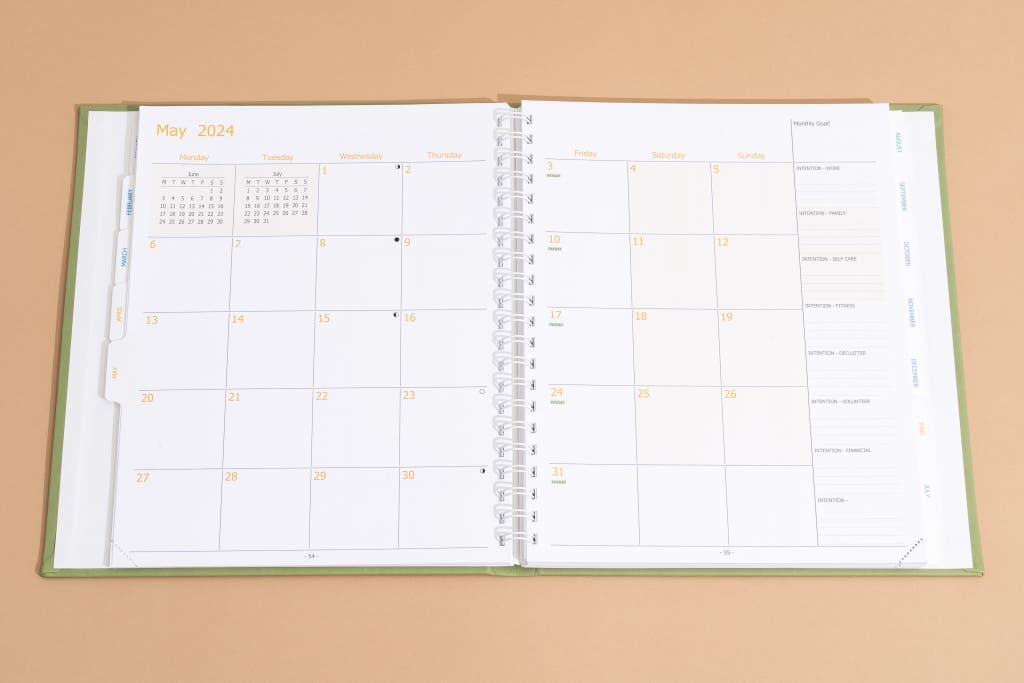
The debate between paper and digital planning remains alive in 2025. Paper planners still hold a special place for many due to their tactile feel and simplicity. Writing by hand can improve memory retention and creativity. This makes paper ideal for deep work sessions or brainstorming.
However, paper planners lack the dynamic features digital tools offer. You can’t set automatic reminders, easily rearrange your schedule, or collaborate in real-time. For busy professionals or students managing multiple projects, this can slow down productivity.
Recent studies show a hybrid approach is gaining traction. Many users combine paper for brainstorming and digital tools for execution and tracking. This blend leverages the best of both worlds, enhancing focus and time management without sacrificing creativity.
💡 Quick insight: The best planning system in 2026 might be the one that blends paper’s tactile benefits with digital’s smart features.
🚀 Pro tip: Use a bullet journal for your ideas and transfer actionable tasks to a digital app like Trello (Trello*) for follow-up.
Why Digital Planning Wins for Time Management in 2026
Time management is the backbone of productivity. Digital planning tools excel here by offering real-time syncing and cross-platform access. Imagine updating your schedule on your phone and seeing it instantly on your laptop. This fluidity prevents double bookings and missed deadlines.
Moreover, AI integration is a game-changer. Tools like Google Calendar (Google Calendar*) now suggest optimal meeting times, factoring in your personal productivity peaks. They can even reschedule tasks automatically when conflicts arise.
Digital planners also support task prioritization and habit tracking. Apps like Habitica (Habitica*) gamify your routine, making it easier to stay motivated. This keeps you focused on what matters most, improving your overall work-life balance.
💡 Quick insight: AI-powered digital planners don’t just organize your day—they optimize it based on your habits and goals.
🚀 Pro tip: Explore free tools like Google Keep (Google Keep*) for quick notes that sync with your main planner app.
Paper Planning: The Case for Tangibility and Creativity
Paper planning remains a favorite for those who thrive on visual and tactile experiences. The act of writing by hand helps solidify your goals and enhances cognitive processing. Many find that doodling, sketching, and physically crossing off tasks provide a deeper sense of accomplishment.
Another benefit is the absence of digital distractions. Unlike apps, paper planners don’t ping you with notifications or tempt you to check social media. This can foster a more mindful, focused planning session.
Finally, paper planners don’t require batteries or internet access. This makes them reliable in any setting—from a quiet cabin to a bustling café. For creatives and students, paper often sparks inspiration in ways screens can’t match.
💡 Quick insight: Paper planning’s tactile nature can boost creativity and reduce digital fatigue.
🚀 Pro tip: Use colorful pens and sticky notes to make your paper planner visually engaging and fun.
How to Choose Between Digital and Paper Planning in 2026
Choosing between digital and paper planning depends on your lifestyle and goals. Ask yourself: Do you need mobility and automation? Digital tools shine if you juggle multiple devices or collaborate often. Apps like Evernote (Evernote) and OneNote (OneNote) offer powerful note-taking and syncing features.
If you prefer a slower, more thoughtful approach, paper may be your best bet. It’s perfect for deep work, reflection, or creative projects. You might even try a hybrid system—using paper for brainstorming and digital for execution.
Consider your environment too. If you’re often on the go, digital planning keeps you connected. If you work in quiet or distraction-free zones, paper might help maintain your focus.
💡 Quick insight: The best planner is the one you actually use consistently.
🚀 Pro tip: Experiment with both methods for a week each to see which boosts your productivity and focus more.
Best Free Digital Planning Apps to Try in 2026
If you’re ready to dive into digital planning, here are some top free tools to consider:
- *Notion (Notion)**: A versatile all-in-one workspace great for notes, tasks, and calendars.
- *Todoist (Todoist)**: Simple yet powerful task manager with smart scheduling.
- *Google Calendar (Google Calendar)**: Ideal for syncing events and reminders across devices.
- *Trello (Trello)**: Visual project boards perfect for teamwork and personal planning.
These apps integrate AI features and offer mobile and desktop versions. They help you stay organized, track progress, and maintain focus without spending a dime.
💡 Quick insight: Free digital tools today rival paid planners in features and flexibility.
🚀 Pro tip: Pair your app with a digital assistant like Google Assistant or Siri to add tasks hands-free.
Conclusion
In 2026, the digital planning vs. paper debate boils down to your personal needs. Digital planning offers unmatched flexibility, AI-powered insights, and seamless organization—perfect for boosting productivity and mastering time management. Paper planning, on the other hand, fuels creativity, focus, and deep cognitive engagement. Many find success blending both methods for a balanced, effective system.
Remember, the ultimate winner is the planning method you commit to and use consistently. Start experimenting today to find your perfect fit. Your future self will thank you for taking control of your productivity and focus now.